info@mechblades.com
Request a Catalog
Blades For Steel Rolls Processing In Steel Mills

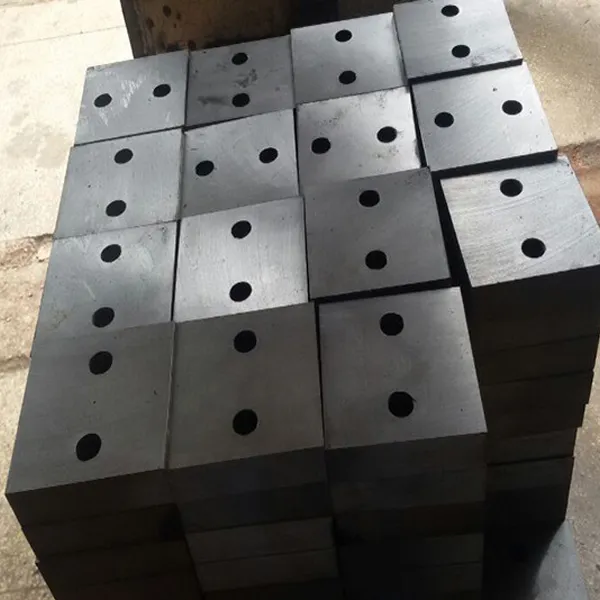
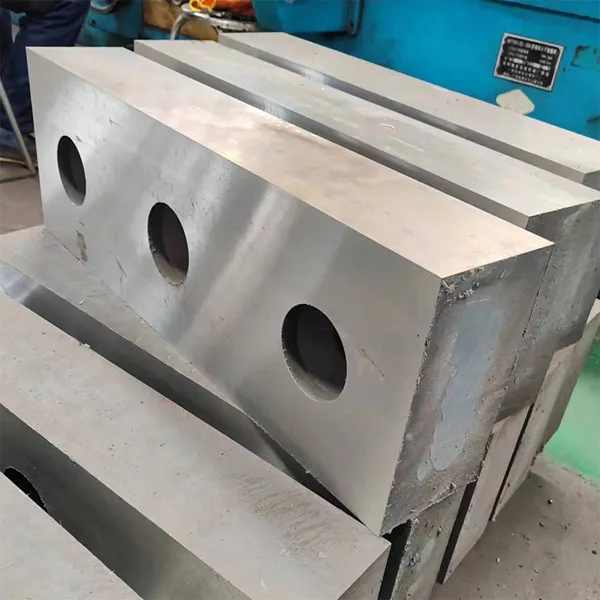
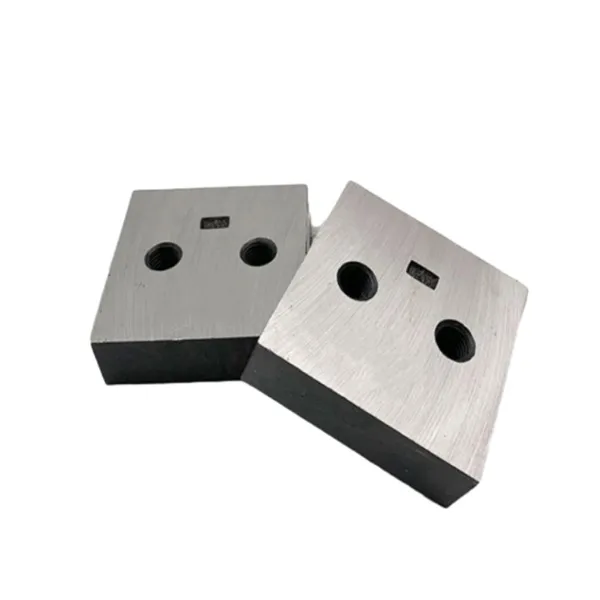
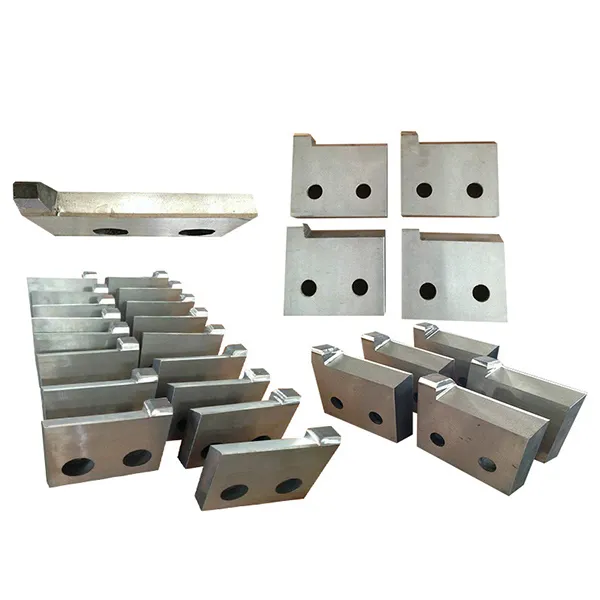
Steel Bar Cutting Blades

The steel bar cutting blade has the characteristics of high-strength material and process, precision structural design, thermal stability and wear resistance. When combined with sawing machines and pipe cutting machines or handheld or fixed equipment, it can achieve safe and efficient cutting of steel bars, and is widely used in the fields of construction engineering, industrial manufacturing, demolition and recycling. ‌

✓ Specification review✓ Export support✓ Direct inquiry
Request a quotation

Confirm the required specification, quantity and destination.

Send Requirement →
PRODUCT DESCRIPTION

Product overview

Typical Applications Of Steel Bar Cutting Blades

1.In the field of construction engineering, reinforced concrete structure construction is used to cut steel bars in walls, floors, beams, columns and other parts to meet the needs of building structure renovation or reinforcement. The cutting accuracy error can be controlled within ≤ 0.1 mm to ensure the matching of subsequent welding or installation.

2.Cutting of steel skeleton or tunnel lining steel bars in bridge and tunnel engineering, combined with diamond cutting blades (such as resin based or metal based blades) to achieve efficient processing of hard and brittle materials.       

3.Metal recycling and regeneration processing, handling waste steel bars, metal structural components, etc. in construction waste, using high wear resistant blades (such as HSS-C05 cobalt containing high-speed steel) to quickly shred or cut, supporting resource recycling.

4.When repairing and dismantling equipment and cutting corroded or deformed steel bars, alloy tool steel blades (such as Cr12MoV) can balance cost and durability, and are suitable for non-standard environmental operations, reducing dust and noise pollution.


Recommended Blade Types

High speed steel circular saw blade (HSS): suitable for cutting ordinary steel bars (HRB335, HRB400, etc.), with high cost-effectiveness;

The cutting speed can reach 60 meters per minute, and the service life can be extended by grinding the blade teeth.

Cold saw blade (ceramic metal saw blade): with stronger high-temperature resistance, suitable for high-strength steel bars (such as HRB500) or batch continuous cutting scenarios; The cutting surface is smoother and the heat dissipation is faster, but the price is higher.


Material And Performance Selection

Ordinary high-speed steel (HSS-DM05)

Suitable for low hardness steel bars, economical and practical

High speed steel containing cobalt (HSS Co)

Improve wear resistance to meet high load cutting demands

Titanium/hard alloy coating

Enhance blade hardness and reduce frictional heat damage

Suggested Specifications And Parameters

Outer diameter: For steel bars with a diameter ≤ 20mm, choose 250-315mm; for those with a diameter>20mm, choose 350-500mm;

Thickness: For steel bars with a wall thickness ≤ 10mm, choose 2.0-2.5mm, and for those with a wall thickness>10mm, choose 3.0-4.0mm;

Number of teeth: 60-120 teeth are recommended for steel bar cutting, with dense teeth to reduce burrs.


Key Points Of Operation And Maintenance

Installation requirements:

Ensure the accuracy of the equipment spindle and no eccentric shaking of the saw blade after installation;

Before cutting, check if the fixture is clamping the steel bars to avoid material displacement.

Cutting parameters:

The recommended speed for ordinary steel bars is 100-300 revolutions per minute, with uniform feed speed to avoid overload;

High strength steel bars need to reduce the rotational speed to 80-150 revolutions per minute and use cutting fluid to cool down.

Lubrication and cooling:

Dry cutting is strictly prohibited and requires the use of emulsion or specialized cutting fluid for cooling;

Cut for a long time and stop every 15 minutes to clean debris and prevent clogging of the saw teeth.

  Common Problem Handling

Incision burrs: Check if the serrations are blunted or broken, and promptly grind or replace them;

Saw blade burst: Check for overspeed, feed too fast, or material not clamped properly;

Short lifespan: Prioritize cobalt or titanium plated models and standardize operating procedures.


Selection Type Scheme

Short term/low-frequency use: Choose HSS-DM05 ordinary high-speed steel saw blade (such as 250 × 2.5 × 32), with a lower unit price;

Long term/high-frequency use: Cold saw blades (such as ceramic metal blades) have a higher unit price, but their lifespan is increased by 3-5 times.

Through reasonable selection and standardized operation, it is possible to balance cutting efficiency and economy, and adapt to the needs of scenarios such as buildings and steel structures.

PRODUCT GALLERY

View product details.

KEY ADVANTAGES

Designed for confident sourcing.

FAQ

Frequently Asked Questions

Common purchasing and product questions answered before you send an inquiry.

Product FAQs are being prepared.

RELATED PRODUCTS

More from this collection.

View Category →
Circular Slitter Blades
Blades For Steel Rolls Processing In Steel Mills

Circular Slitter Blades

The slitting disc cutter is widely used in slitting of thin metal plates such as stainless steel, aluminum plate and copper plate. In slitting of cold-rolled steel plates, hot-rolled steel plates and pickling plates, the slitting disc cutter made of cemented carbide or high-speed steel can ensure smooth cut, reduce material loss and improve yield. Our company has 30 years' experience in producing slitting disc cutters for metal industry, and we design and produce blades with various functions and occasions for customers. Welcome to ask us related questions.

Steel Mill Spacer
Blades For Steel Rolls Processing In Steel Mills

Steel Mill Spacer

In the slitting process of metal thin plates such as stainless steel, aluminum plates, and copper plates, as well as in the slitting of cold-rolled steel plates, hot-rolled steel plates, and pickled plates, spacers and washers are used to control the spacing between slitting blades and adjust the horizontal gap between upper and lower blades to ensure the accuracy of slitting width and cutting stability. They are indispensable components in widely used production. Welcome to ask us related questions

Guillotine Shear Blades
Blades For Steel Rolls Processing In Steel Mills

Guillotine Shear Blades

The blade of the hydraulic shearing machine is the core cutting component of the hydraulic shearing machine. Its function and working process: It consists of a moving upper blade and a fixed lower blade. The upper blade is driven by a hydraulic system to apply shear force to the metal sheet, while the lower blade provides support. The blade gap is adjusted reasonably, and the shear stress is used to break and separate the sheet according to the set size, thus achieving its cutting function.

Hss Circular Saw Blades
Blades For Steel Rolls Processing In Steel Mills

Hss Circular Saw Blades

High speed steel circular saw blade (HSS circular saw blade) is an efficient tool specifically designed for metal cutting. When used in conjunction with a specialized metal circular saw machine, it can cover diverse processing needs from thin plates to thick materials by adjusting the tooth pitch and line speed. It has become the core tool for cutting, slotting, and other processes in metal processing, especially suitable for efficient production in fields such as automotive, aviation, and machinery manufacturing.

Tube Slitting Cutter Knife
Blades For Steel Rolls Processing In Steel Mills

Tube Slitting Cutter Knife

Cutting blades for steel pipes have the characteristics of high wear resistance, high hardness and strength, efficient cutting and high precision, thermal stability, etc., which have shown significant advantages in efficient operations in fields such as construction engineering, machinery manufacturing, energy and chemical engineering, and have been widely used.

Precision Steel Rollers
Blades For Steel Rolls Processing In Steel Mills

Precision Steel Rollers

The precision rolling mill adjusts the gap between the rolling rolls to eliminate defects such as wave and bending in the strip, ensuring the flatness of the plate and achieving shape control and straightening of the steel strip. The precision rolling mill, through high-precision structural design and advanced surface treatment technology, has become the core component for improving strip quality and production efficiency in the straightening process.

Ready to source

Send specifications and get a factory quotation.

Request a Catalog