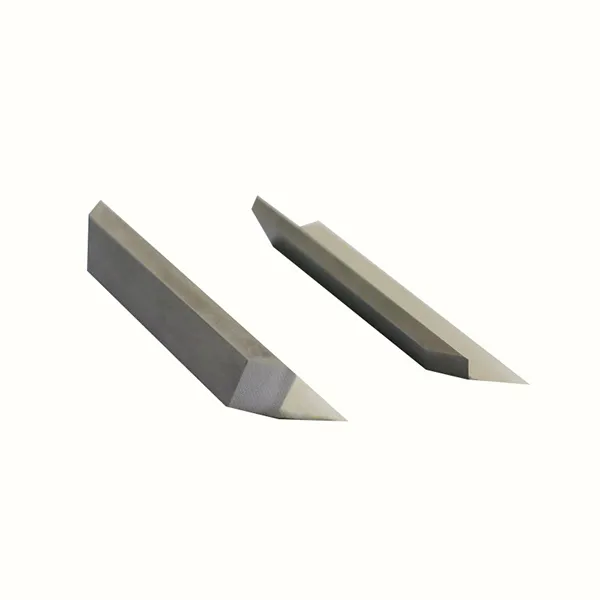
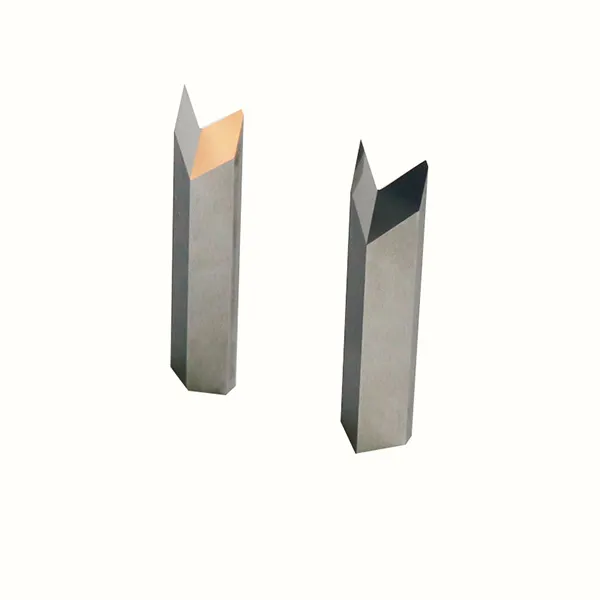
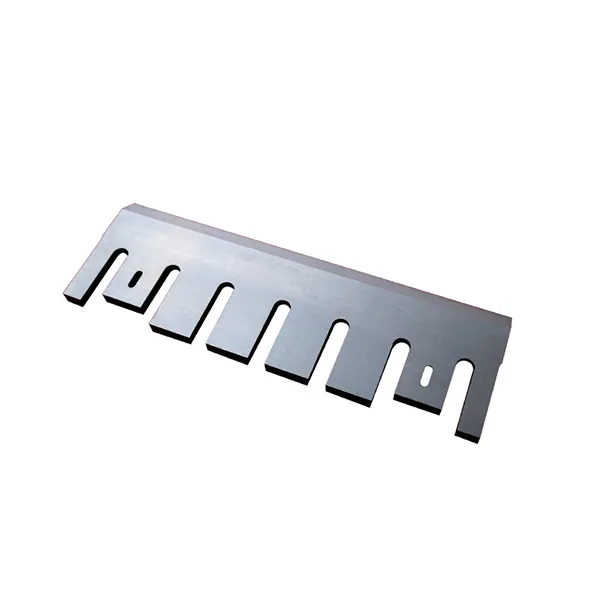
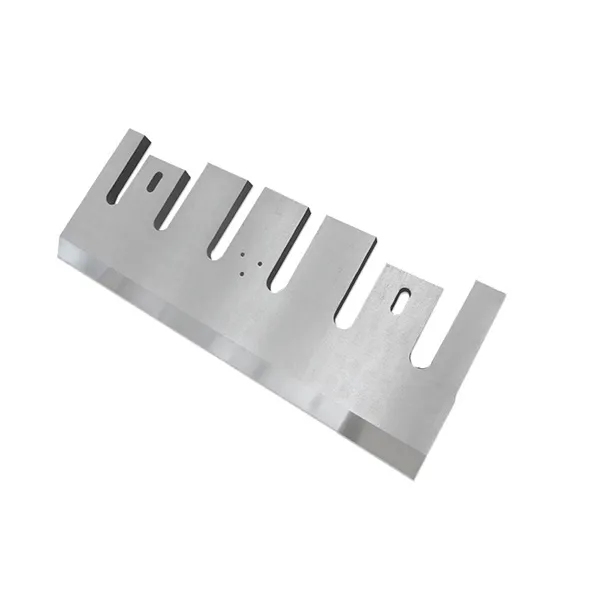
Typical Application Scenarios
1.Precision thickness sheet metal processing: The planing knife cuts the wood layer by layer through linear motion, which can accurately control the thickness of the sheet metal (usually several millimeters to several centimeters), suitable for scenarios with high requirements for surface flatness. Typical applications: Building structural materials, ship decks, furniture frames, and other wooden components that require high strength and thickness.
2.Decorative veneer production: The planing knife can fully preserve the natural beauty of the wood texture, such as the straight lines or special patterns on the surface of oak wood planing veneer, used for high-end furniture veneer and composite floor surface decoration. Process adaptation: Radial cutting process (vertical wood ring cutting) can enhance the stability of veneer and reduce the risk of deformation.
3.Special surface treatment: Spiral knife pressure planing combined with high-speed rotating spiral blades, quickly planing the surface of wood and improving its smoothness, suitable for large-scale board pretreatment in woodworking workshops.
4.Continuous production of thin wood veneer: The rotary cutter can continuously produce thin wood veneer with a thickness of 0.5-3mm by rotating the logs and cutting along the axis, which is suitable for decorative materials such as furniture veneers and wood veneer doors. Technological advantages: Non card rotary cutting is suitable for small-diameter logs, while card rotary cutting is suitable for large-diameter logs, achieving efficient resource utilization.
5.Preparation of veneer substrate: Rotary cut veneer (such as plywood core layer) is used as the substrate for artificial boards, and its uniform thickness and fiber distribution can enhance the deformation resistance of composite materials.
6.Automated processing adaptation: The rotary cutting machine, when combined with a CNC system, can achieve high-speed and continuous operation, meeting the efficient requirements of the veneer processing assembly line.
Material And Performance Comparison
|
Parameter
|
Planing Knife
|
Rotary Cutting Knife
|
|
Mainstream materials
|
High speed steel (HRC62), hard alloy coating
|
Tungsten carbide alloy (YG8-YG15 series)
|
|
Hardness requirements
|
HRC58-62 (Balancing sharpness and impact resistance)
|
HRC65-70 (high wear resistance preferred)
|
|
cutting angle
|
Standard angle 42-45 ° (suitable for medium hardwood)
|
Low angle 30-38 ° (reduces cutting resistance)
|
|
Suitable for wood
|
Hardwood (oak, teak), artificial board
|
Cork (pine, poplar), fast-growing wood
|
Collaborative Comparison Of Shape And Function
|
Dimension
|
Planing Knife
|
Rotary Cutting Knife
|
|
Blade Shape
|
Short and thick, modular spiral arrangement
|
Long straight blade with inclination or curvature
|
|
Edge Angle
|
Front angle 15-20 °, rear angle 10-15 °
|
Blade edge 22 °, installation angle 0.5-3 °
|
|
Core Purpose
|
Precision machining and surface planing of sheet metal
|
Continuous peeling of veneer and rotary cutting of logs
|
|
Material Technics
|
Abandoned carbide blade
|
High carbon steel integral blade or tungsten steel composite blade
|
Process Optimization And Scene Adaptation
1.Optimization direction of cutting blade
The combination of spiral blade shaft and rotatable blade reduces tool changing downtime and adapts to automated production lines;
When using radial cutting technology, the blade needs to be cut perpendicular to the wood rings, and the cutting edge needs to have higher wear resistance.
2.Adaptation strategy for rotary cutting blades
Priority should be given to using curved blades for large-diameter logs, combined with a rotary cutting machine with a card shaft to improve the utilization rate of the wood veneer;
When processing thin wood veneer, the blade inclination angle and feed rate need to be dynamically adjusted to prevent the veneer from breaking.
Planing knives and rotary knives achieve high-precision surface processing and efficient thin skin production of wood through differentiated shape design, and the two work together to meet the core requirements of wood processing.
The Collaborative Application Of Planing And Rotary Cutting Knives
|
Comparing Dimensions
|
Planing Knife
|
Rotary Cutting Knife
|
|
Processing Thickness
|
Millimeter to centimeter sized boards
|
Micron to millimeter level veneer
|
|
Texture Presentation
|
Mainly composed of straight and radial cut textures
|
Chord cut texture ("Cathedral" annual ring pattern)
|
|
Core Equipment
|
Planing machine, spiral knife pressure planing
|
Rotary cutting machine (with/without card)
|
|
Industrial Scenario
|
Architecture, ships, structural furniture
|
Decorative materials, artificial board substrates
|
Process Selection And Optimization Suggestions
1.Material adaptation:
Hardwood (such as oak wood) is preferred to use planing technology to preserve texture stability;
Cork or small-diameter logs are more suitable for rotary cutting technology to improve yield.
2.Efficiency and Cost:
The rotary cutting process has a high yield per unit time and is suitable for mass production of thin wood veneer;
The cutting process has high processing accuracy, but the equipment energy consumption and maintenance costs are relatively high.
Through differentiated tool design and process adaptation, planing and rotary cutting technologies can cover the entire chain of wood processing requirements from substrate preparation to surface decoration.
Maintenance And Replacement Cycle
1.Planing knife
Grinding frequency: Use a grinding machine to grind the cutting edge every 50 hours (angle error ≤ 0.5 °).
Replacement cycle: about 300 hours for high-speed steel blades and up to 1000 hours for hard alloy blades.
2.Rotary cutting knife
Cleaning requirements: Clean up sawdust residue every shift to prevent resin adhesion (high-pressure water gun flushing).
Life reference: Tungsten carbide blades can operate continuously for about 800-1200 hours (depending on the sand content of the wood).
Planing cutters and rotary cutters need to be selected comprehensively based on processing requirements (flat precision machining vs thin wood veneer mass production), material characteristics (high-speed steel vs tungsten carbide), and equipment adaptability.