Specific Application Scenarios And Technological Adaptation
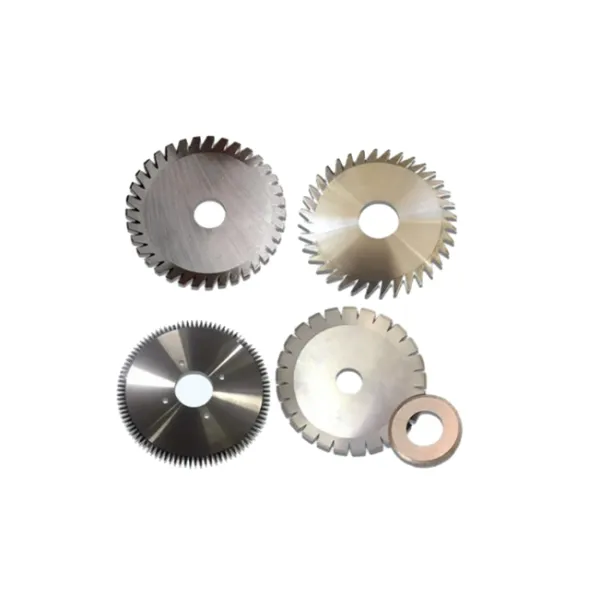
1.Production of panel furniture: Hard alloy saw blades (such as tungsten cobalt YG8-YG15) are used for cutting particleboard, density board, and melamine veneer, ensuring smooth cutting surfaces and no broken edges. The electronic cutting saw blade achieves synchronous cutting of multiple pieces through a high-precision control system, adapting to the needs of mass production.
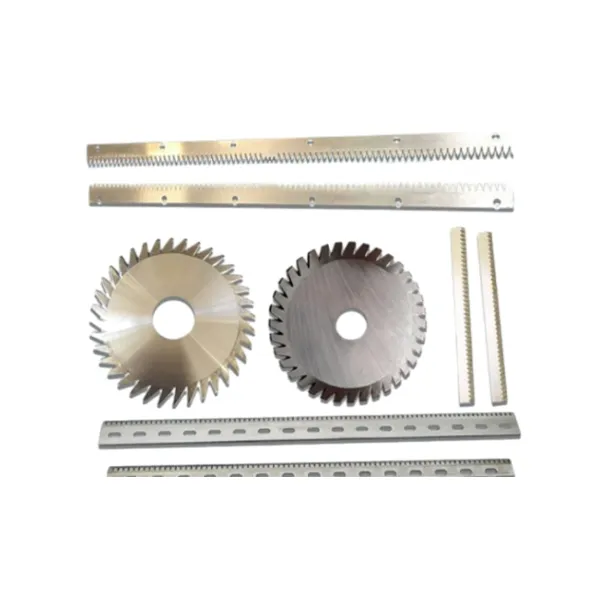
2.Solid wood furniture processing: Left and right toothed saw blades (WT) are suitable for horizontal/vertical cutting of solid wood, with symmetrical tooth design to reduce burrs and increase cutting speed. The ostrich back toothed saw blade (BG) is used for longitudinal cutting of complex textured wood, reducing vibration and extending tool life.
3.Processing of artificial boards: Ladder toothed saw blades (TT) are used for cutting single/double faced artificial boards and fireproof boards to reduce the risk of surface cracking. Flat ladder saw blade (AT) is suitable for hardwood processing, improving the surface smoothness of the board.
4.Special composite material cutting: The toothed alloy saw blade can handle materials such as aluminum honeycomb composite wooden doors, meeting the dual cutting needs of metal and wood.
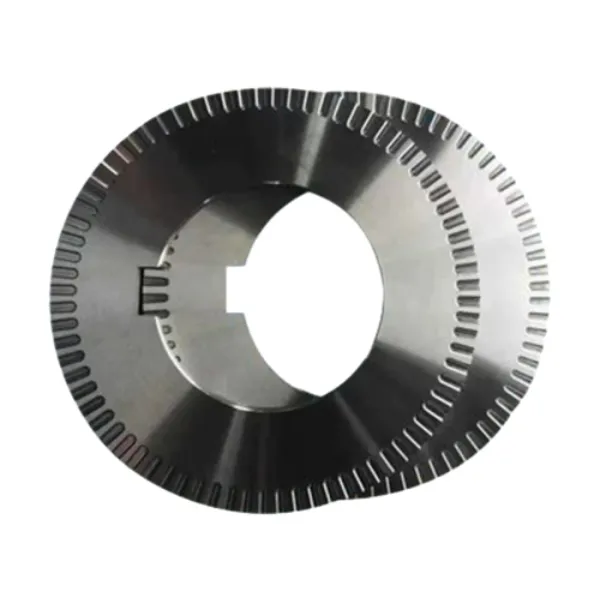
5.Edge trimming and engraving: Edge trimming saw blades (such as diamond saw blades) are used for fine edge processing of wooden products, ensuring smooth cuts and smooth lines. Forming knives (such as countertop knives and groove knives) are used to complete complex linear processing on vertical axis milling machines or four sided planers, and are suitable for the production of door frames, cabinet doors, and other components.
6.Processing of thin plates and irregular parts: The inverted ladder tooth saw blade (CT) is used for precise slotting, suitable for multi blade sawing of floors and cutting of thin plates, reducing material loss.
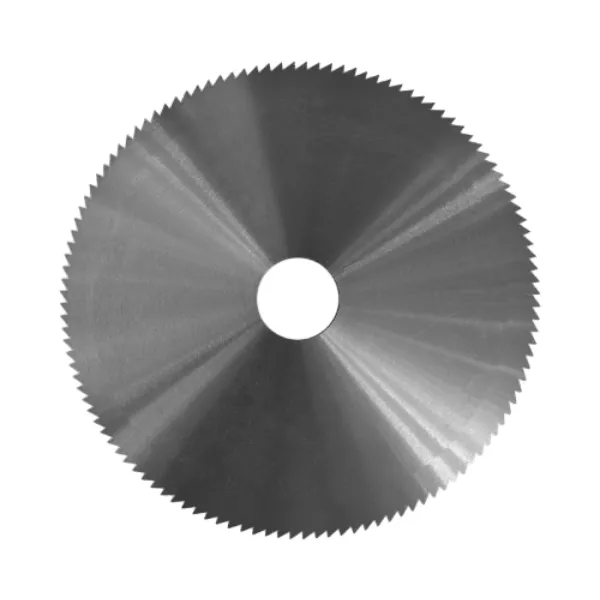
7.Raw wood cutting and board preparation: The circular saw blade (standard grade with a diameter of 180mm) quickly cuts the raw wood by high-speed rotation, with a flat cut that can be used on both sides. Solid wood saws are suitable for traditional woodworking equipment, completing preliminary cutting of logs and rough processing of boards.
8.The push table saw blade is combined with anti rebound protection teeth (tail teeth) to achieve efficient vertical cutting of tree jointed boards.
Mainstream Materials And Performance
|
Carbon tool steel (T9/T10)
|
Carbon content of 0.9% -1.0%, low cost, suitable for rough processing of cork (such as pine and fir), but with weak wear resistance and requiring frequent grinding.
|
|
Hard alloy (tungsten cobalt based)
|
Outstanding wear resistance and high temperature resistance, suitable for cutting hardwood (oak, teak) and composite materials, with a service life more than 5 times that of carbon steel.
|
Adaptation Scenarios And Material Selection
1.The hard wood processing hard alloy (TCT) saw blade adopts ladder flat teeth or inverted trapezoidal teeth to improve wear resistance and reduce the risk of burning.
2.The high-speed automated cutting electronic cutting saw blade adopts left and right teeth or diagonal teeth, combined with high-precision dynamic balance design, suitable for mass production lines.
3.Cutting of thin plates and composite materials using alloy saw blades with embedded teeth, combined with flat teeth and inverted trapezoidal teeth, for processing materials such as aluminum wood composite doors, while meeting the cutting needs of both metal and wood.
Wood industry uses saw blades to achieve full process coverage from rough machining to finishing through the collaborative design of tooth shape and angle, promoting the development of wood processing towards high precision and low loss
Selection Suggestions
High precision requirement: Prioritize hard alloy saw blades.
High intensity continuous operation: choose a multi blade saw with a scraper.
Low cost scenario: Carbon steel curved saw blade.
Wood industry saw blades achieve full process coverage from rough machining to fine forming through coordinated adaptation of tooth shape, material, and equipment, promoting the development of wood processing towards high precision and automation.